The Catlins and Otago Backcountry Photography Workshop
Capture the waterfalls, wild coasts, and remote landscapes of Otago & The Catlins
8th - 16th May 2027
8 days / 7 nights
Single Occupancy: NZD $7,840 (approx. USD $4,700)
Deposit: NZD $1,300 (approx. USD $800)
Group Size: max 5 participants

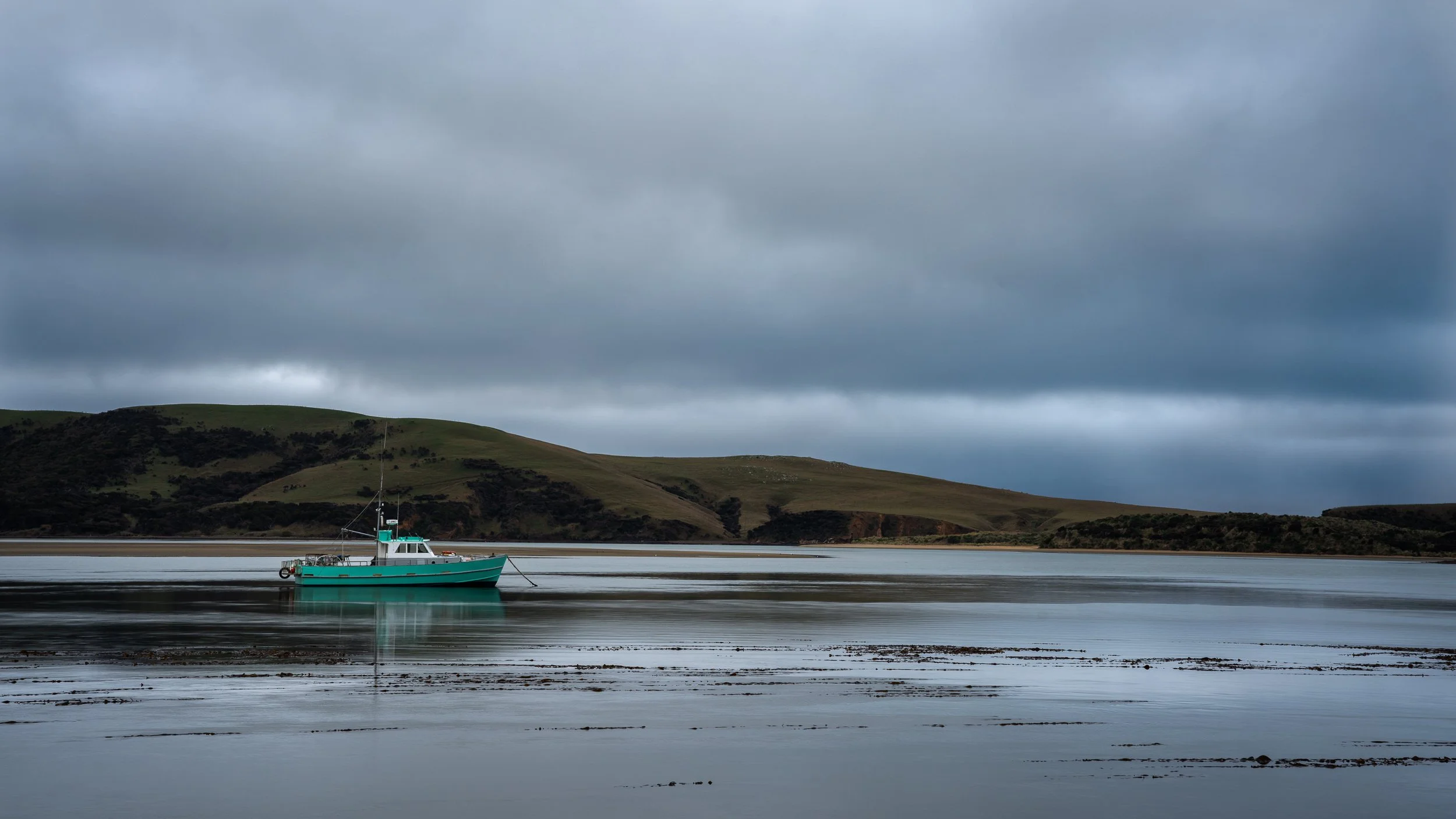


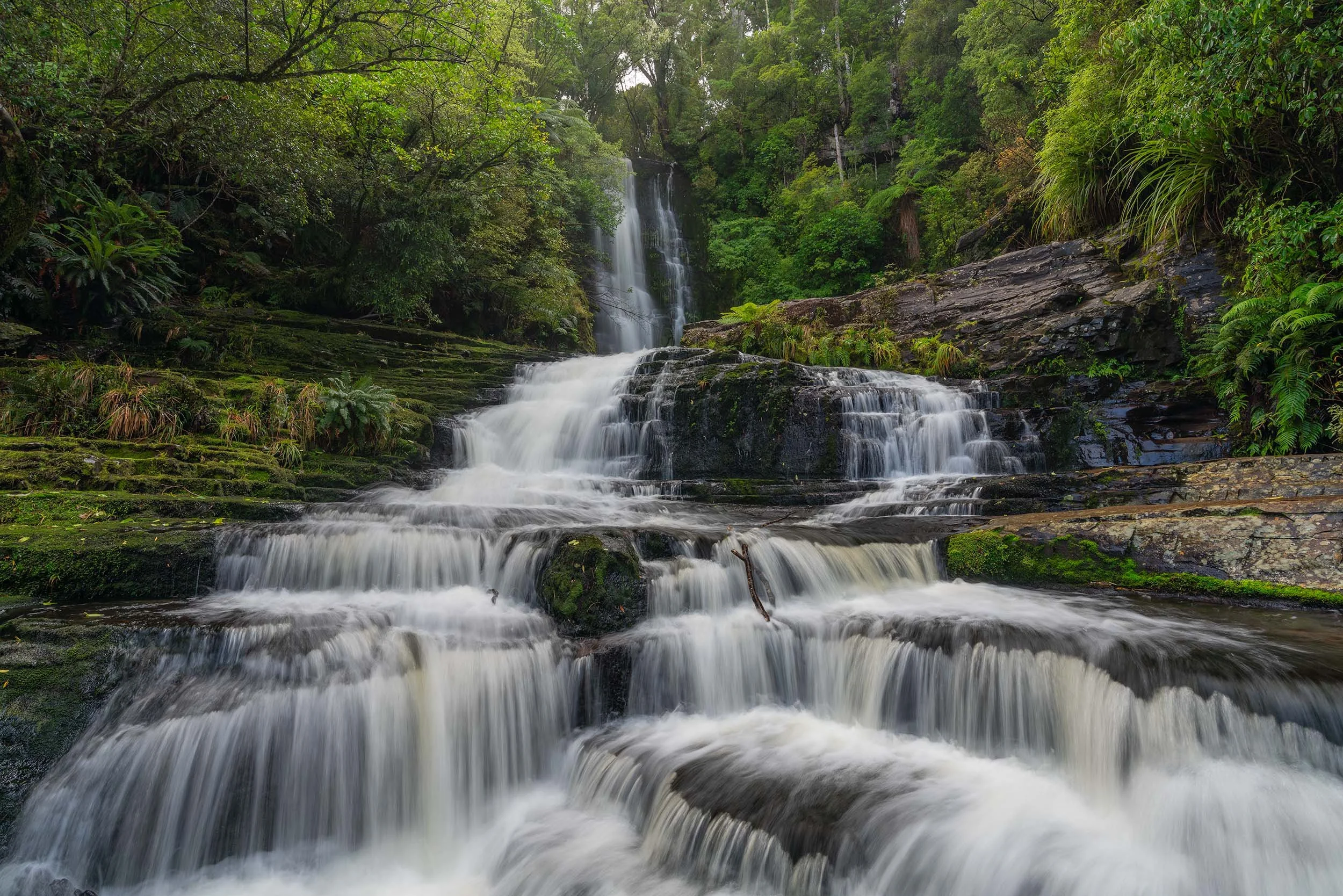
The Low Down: Discover the Secluded Beauty of Otago & The Catlins
Join me for an immersive photography journey through Central Otago, the Otago Coast, and The Catlins.
Over eight days, we'll explore a remarkable variety of landscapes, from historic gold-mining settlements and rolling high-country scenery to dramatic coastlines, remote beaches, waterfalls, and native forest. Along the way, we'll photograph some of New Zealand's most iconic locations, as well as lesser-known places that many visitors simply drive past.
With multiple nights spent on both the Otago Coast and in The Catlins, this workshop is designed to slow down and give us time to work with changing weather, light, and conditions rather than rushing from place to place. This flexibility allows us to make the most of each location and maximise photographic opportunities throughout the trip.
Whether you're drawn to grand landscapes, intimate scenes, coastal photography, or wildlife encounters, this workshop offers an opportunity to experience some of the South Island's most rewarding photographic locations while travelling in a small, supportive group.
-
Begin the workshop with a welcome dinner in Queenstown, giving you the opportunity to meet the group, settle in, and ease into the experience before photography begins
Enjoy single-occupancy accommodation throughout the workshop, giving you your own private space to relax and recharge each evening.
Explore the diverse landscapes of Central Otago, the Otago Coast, and The Catlins, from historic gold-mining settlements and rolling high-country scenery to remote beaches, waterfalls, and native forest.
Spend multiple nights on both the Otago Coast and in The Catlins, allowing time to work with changing weather, tides, and light rather than rushing between locations.
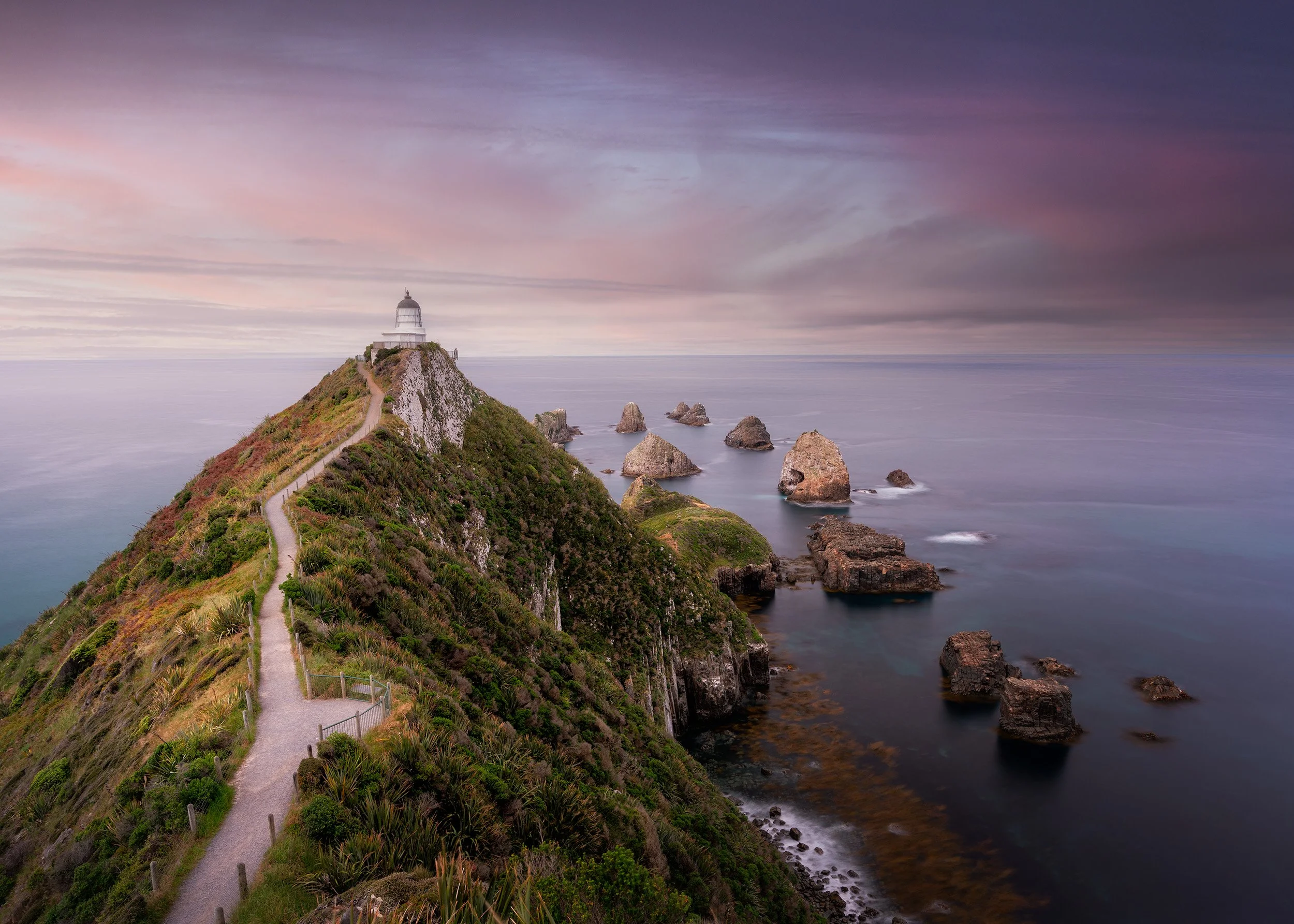
Photograph iconic locations including the Moeraki Boulders and Nugget Point, along with lesser-known locations that many visitors simply drive past.
Capture a wide variety of subjects including grand landscapes, rugged coastlines, waterfalls, wildlife, and intimate landscape details.
Benefit from hands-on guidance in the field, with practical tuition on light, composition, camera technique, and creative decision-making.
Travel with a small group of like-minded photographers, with plenty of individual support and opportunities to learn at your own pace.
Return to Queenstown for a final night's accommodation after our last day in the field, allowing time to unwind, share images, enjoy a relaxed finish to the workshop, and depart the following day refreshed.
Enjoy a fully supported experience with accommodation, transport, and logistics taken care of, allowing you to focus on photography and the experience of being in these remarkable places.
-
The Otago & Catlins photography workshop begins in Queenstown, where you'll settle in, meet the group, and enjoy a welcome dinner before our first sunrise session.
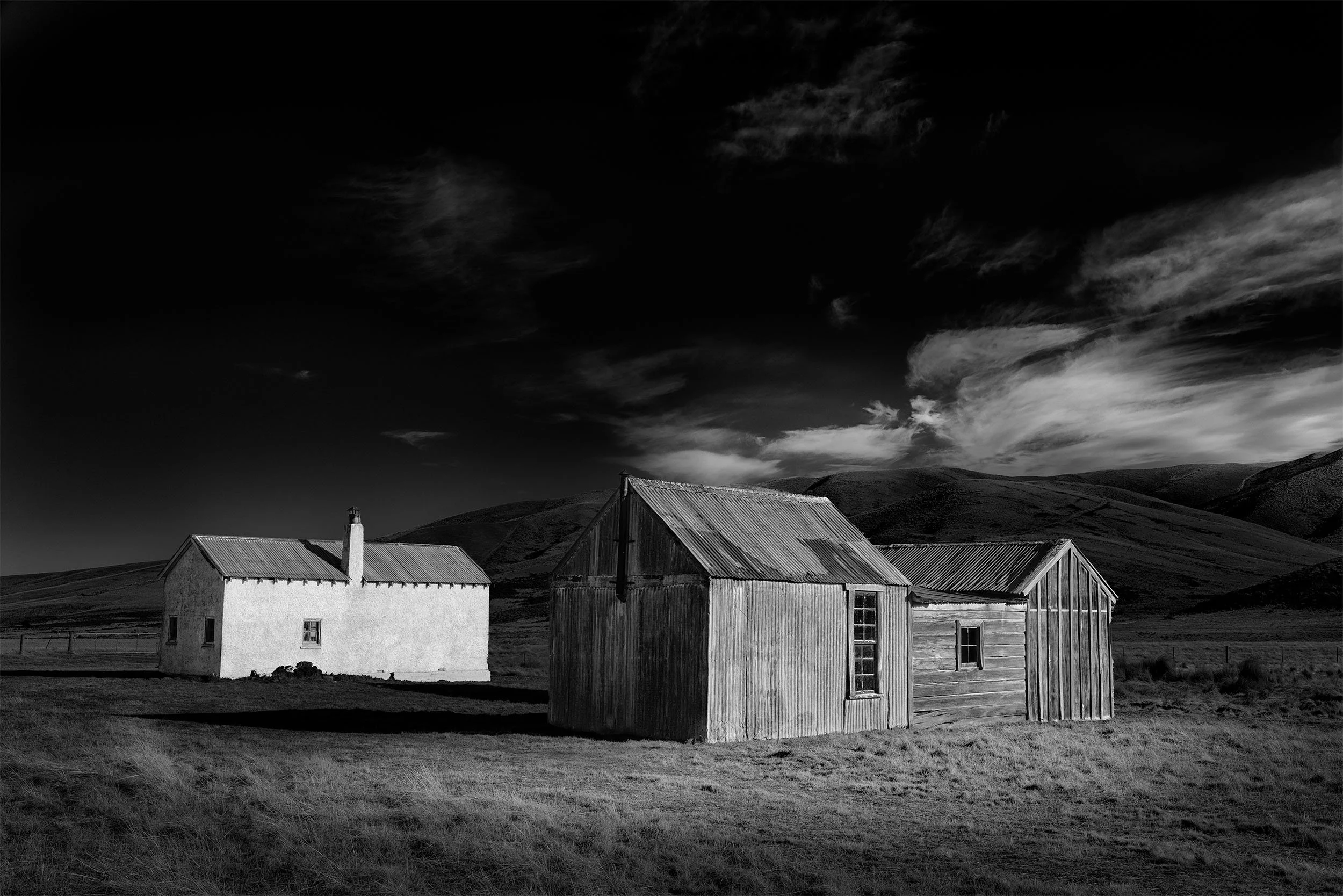
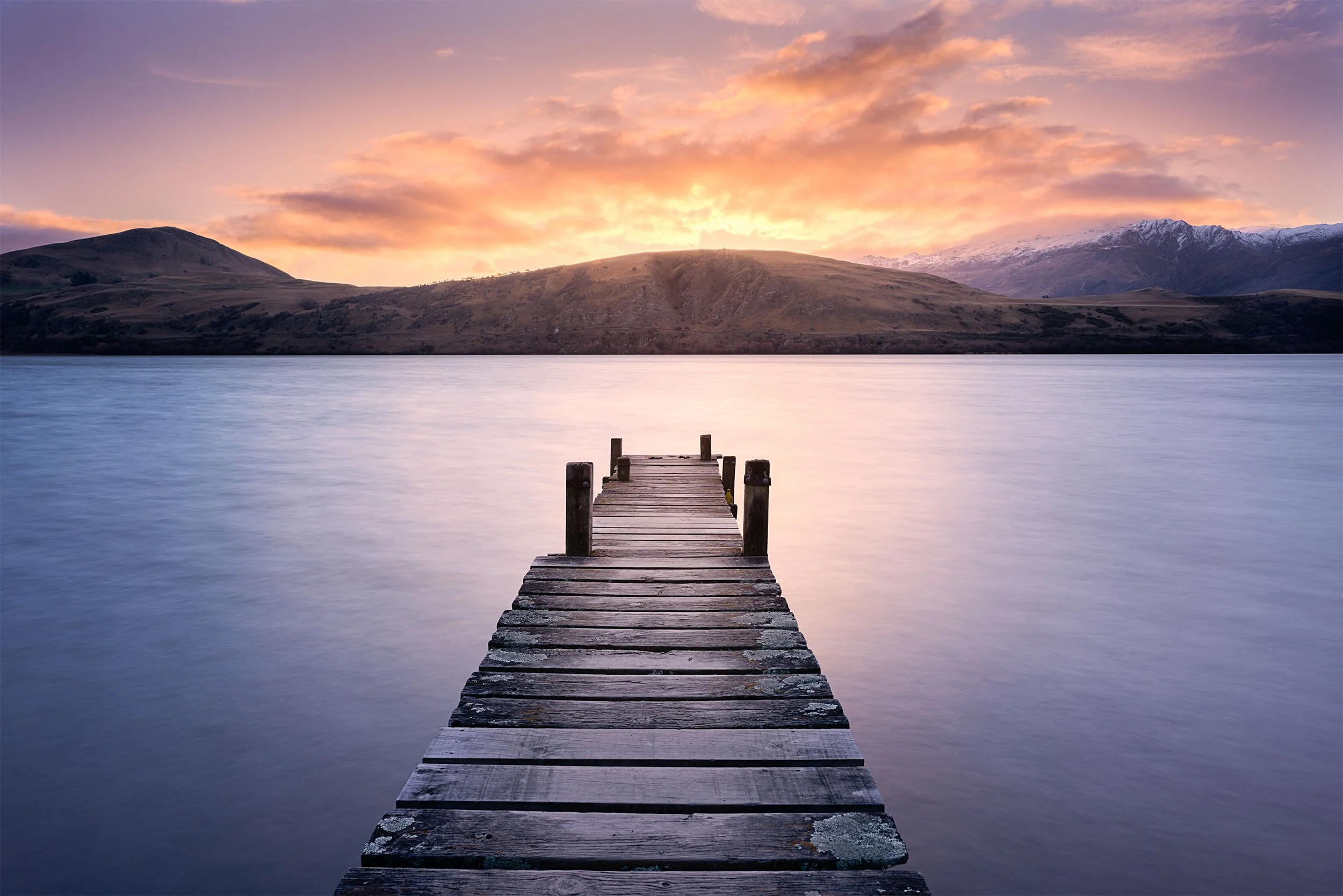
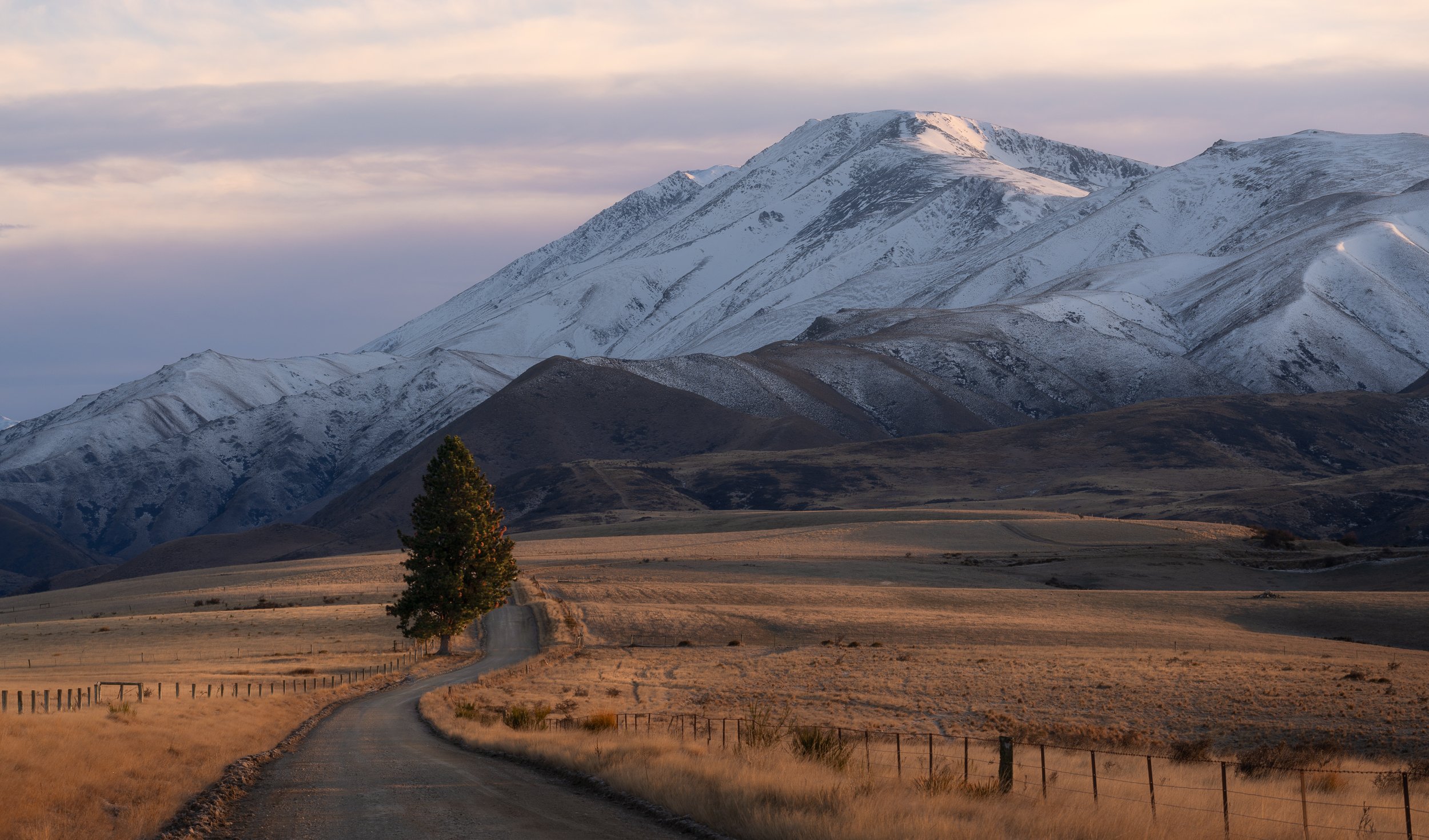
From Queenstown, we'll journey through the heart of Central Otago, photographing the region's rugged landscapes, historic gold-mining settlements, rolling hills, and quiet lakes. Our first nights on the road are spent in Central Otago, allowing us to explore locations around St Bathans and the surrounding countryside under the best available light and weather conditions.
We then continue to the Otago coast for a two-night stay. This gives us the flexibility to photograph a diverse range of locations, including the iconic Moeraki Boulders, dramatic coastal cliffs, remote beaches, limestone formations, and the unique landscapes that make this stretch of coastline one of New Zealand's most rewarding photography destinations. Spending multiple nights in the area allows us to work with changing conditions rather than simply passing through.
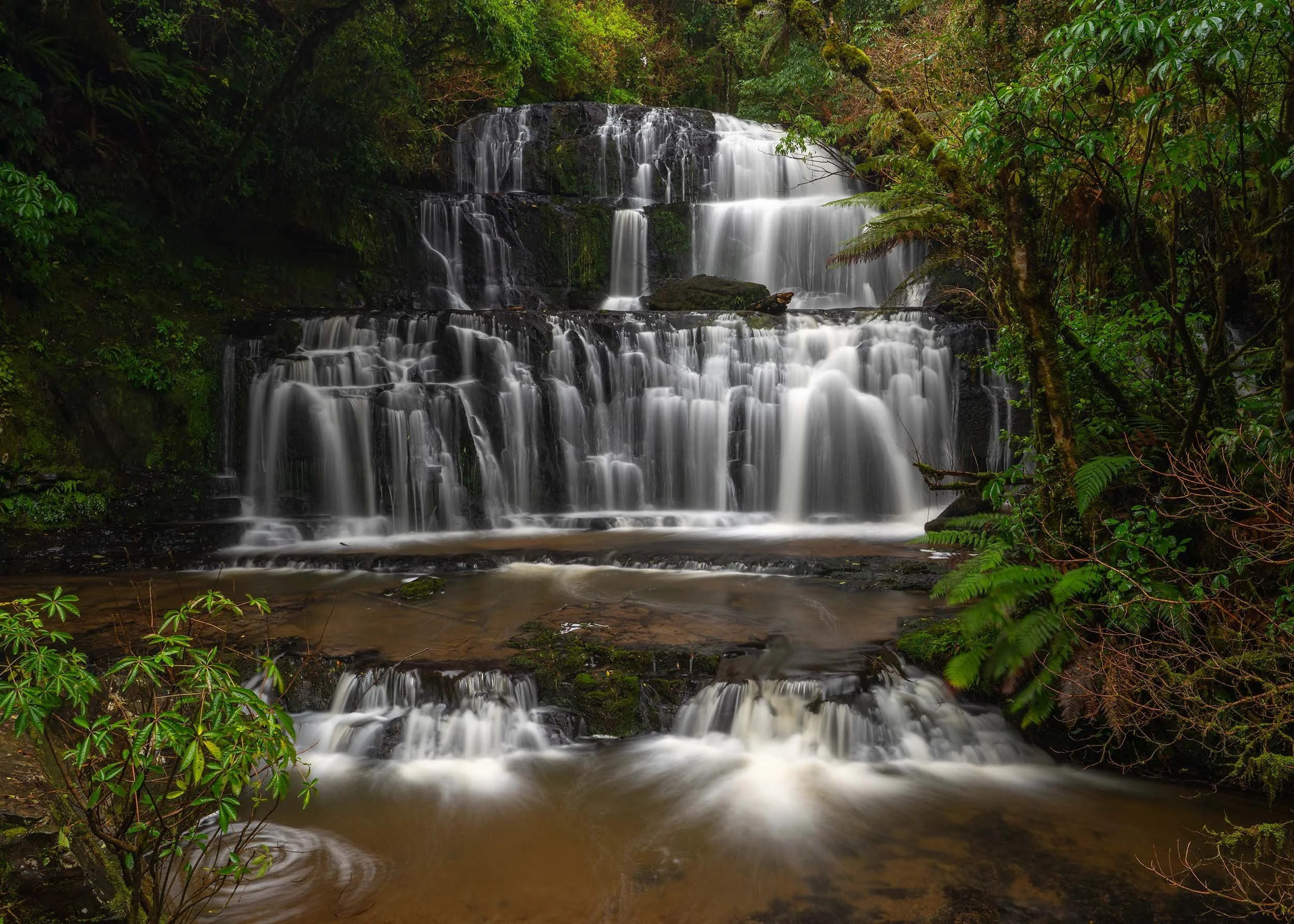
For the second half of the workshop, we base ourselves in The Catlins for three nights. This region is one of New Zealand's hidden gems, known for its wild coastline, ancient forests, waterfalls, sea caves, and abundant wildlife. By staying several nights in the area, we can take advantage of changing weather and light conditions while exploring a variety of locations across the region.
The workshop concludes with our return to Queenstown, where we'll spend a final night before departing the following day.
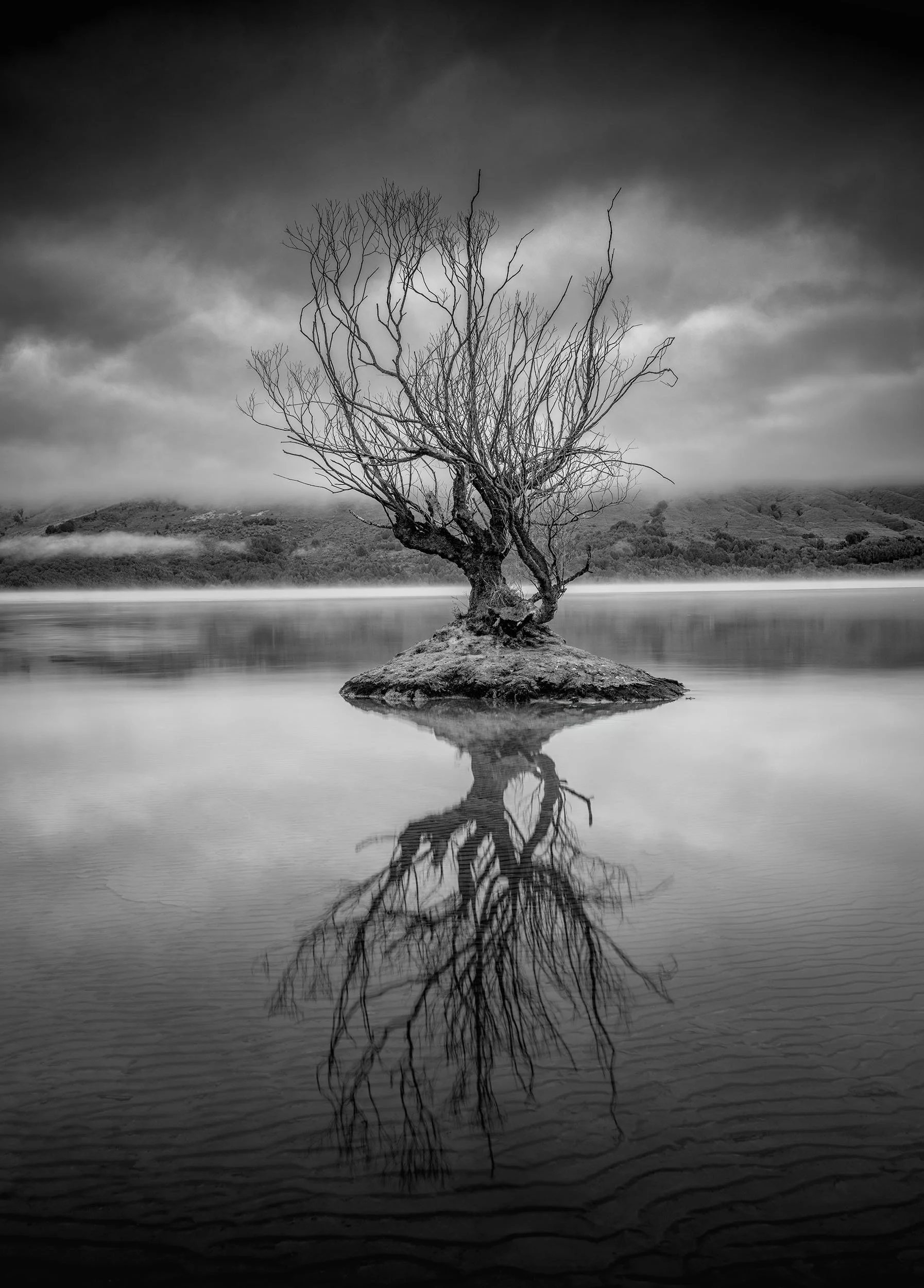
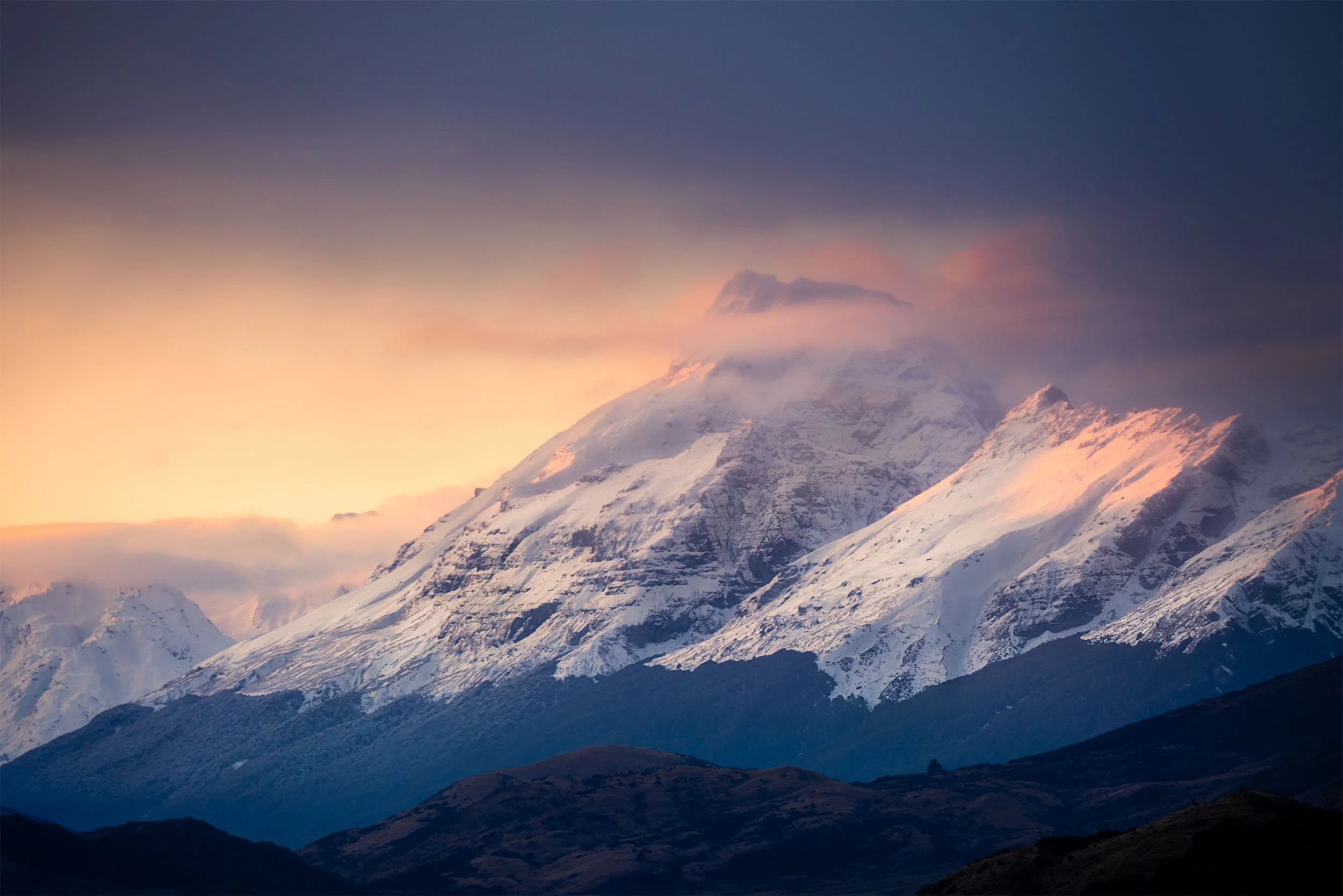
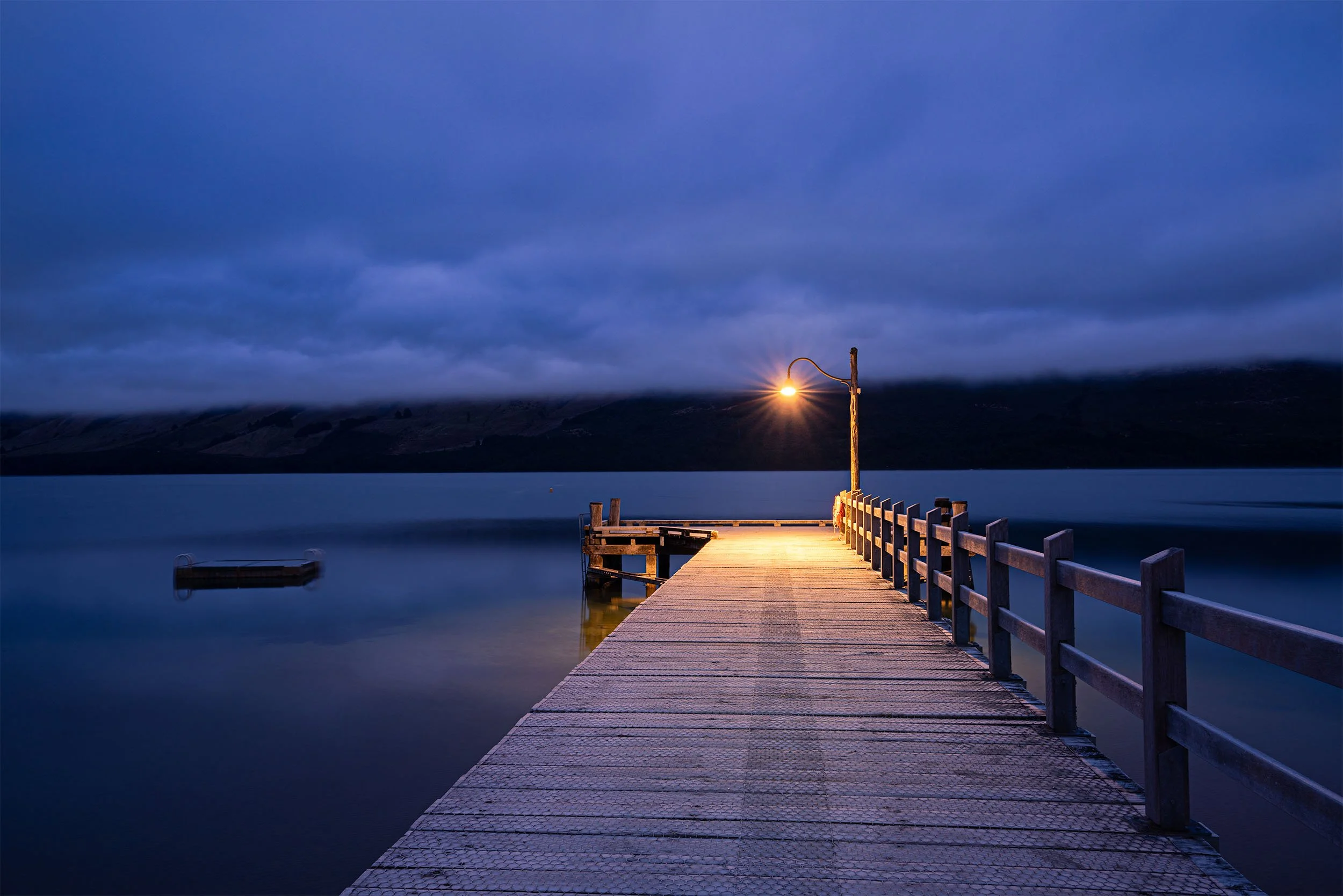
We do not publish a fixed shooting itinerary, as photography opportunities are heavily influenced by weather, tides, seasonal conditions, and available light. Instead, each day is planned to give us the best possible photographic opportunities based on the conditions we encounter. The images shown throughout this page provide a good indication of the locations, landscapes, and experiences you can expect.
Throughout the workshop, you'll receive hands-on photography guidance in the field, along with practical support to help you improve your landscape photography, develop your creative vision, and return home with a strong portfolio of images from some of New Zealand's most rewarding landscapes.
-
All hotels are 3 Star + and have been carefully selected to minimise the distance we have to drive for early morning sunrise shoots.
$7,840* - single occupancy
approx. USD $4,700
To confirm your space on the workshop, a non-refundable deposit of $1,300* (approx. USD $800) is required. Balance of workshop is payable 90 days before prior to the workshop start date.
*All amounts are in New Zealand Dollars. Please see T&C’s
By booking this workshop, you agree to the Terms & Conditions. Please review them here
-
Accommodation from 8th – 16th May 2027.
Daily breakfast, either at the accommodation or at a local café. Where breakfast is provided at a café, one barista-made coffee or tea is included
Welcome dinner on May 8th
Transportation for the duration of the workshop
Entrance to National Parks
Use of MAVEN magnetic neutral density and polariser filters
-
Flights and transfers to and from New Zealand
Visas and travel insurance
Alcohol
All meals, except for daily breakfast and the welcome dinner on the 8th May
Additional café purchases, snacks, beverages, and extra barista-made coffees beyond those included with breakfast
-
DSLR or Mirrorless camera
Variety of lenses that range from wide (24mm or wider) to telephoto (70-200mm or longer)
Sturdy tripod
Shutter cable release
Filters - Neutral Density and CPL
Spare batteries and SD cards
Laptop with Lightroom and Photoshop installed
-
What level of photography experience is required?
All of my workshops are designed for photographers with a basic understanding of their camera equipment. If you know how to adjust settings like aperture, shutter speed, and ISO, you're good to go! I’ll help you refine your skills and explore advanced techniques in the field.What kind of fitness level is needed?
A moderate fitness level is sufficient. While we won’t be scaling mountains, some locations may involve walking on uneven terrain, gentle hikes, or carrying your gear for short distances. If you can handle these, you'll be comfortable throughout the workshop.What will the daily schedule look like?
Each day is tailored to maximize the best light for photography. Expect early starts for sunrise shoots, travel between destinations during the day, and evening sessions for sunset or astrophotography. We also include breaks for meals, rest, and editing discussions. Drive times between locations vary, but we aim to keep it manageable, often around 2-3 hours with opportunity for photography along the way.What if the weather doesn’t cooperate?
New Zealand’s weather can be unpredictable, but that’s part of the adventure! We embrace all conditions, as dramatic weather often leads to stunning images. If outdoor shooting isn’t possible, we’ll dive into editing sessions or post-processing techniques until the weather clears.What will the temperature be like during the workshop?
From May to October, South Island temperatures range from 5°C to 15°C (41°F to 59°F) during the day, with colder mornings and nights, often dropping to freezing or below in alpine areas. Snow is possible at higher elevations, while lower areas typically enjoy crisp, clear days. A recommended gear and clothing list will be sent to you upon registration to help you prepare for these conditions.