

Why paying attention matters more than chasing conditions
Emotion in landscape photography isn’t manufactured or added later in post processing. It comes from paying attention long enough to understand why a place matters to you.
That might sound obvious, but it’s something many of us only realise after years of taking photographs that look fine on the surface yet feel strangely hollow. The light was good. The conditions were promising. Technically, everything worked. And still, the image doesn’t hold what the experience felt like at the time.
Why Beauty Isn’t Enough
Landscape photography isn’t usually discussed in emotional terms. We tend to associate emotion more easily with portraits, documentary work, or wildlife photography, where expression and narrative feel more immediate. Landscapes are often reduced to being beautiful, dramatic, or impressive. But beauty alone rarely sustains interest, either for the photographer or the viewer.
What keeps drawing me back to certain images, both my own and others’, isn’t how spectacular the scene was. It’s whether the photograph feels considered. Deliberate. Whether there’s a sense that the photographer understood what they were responding to in that moment and made choices that supported that response.
That understanding doesn’t come from rushing, chasing conditions, or ticking off locations. It comes from slowing down enough to notice what’s actually pulling at you, and being honest about why you’re there in the first place.
Where this First Became Clear to Me: Learning to Slow Down
For me, this didn’t begin with a dramatic location or a lifelong plan to become a landscape photographer. It began on a weekend waterfall workshop, many years ago.
At the time, I didn’t have the language for what I was experiencing. I just knew that something clicked. Standing there, watching water move through the frame, I was struck by how differently the tutor saw the scene. He wasn’t reacting to the waterfall as a subject. He was reading it. Visualising how the water would behave over time, how it would respond to a longer exposure, where the energy would soften and where it would hold.
What stayed with me wasn’t the technique itself. It was the sense of awe that came from realising that a photograph could be shaped by observation rather than reaction. That slowing down wasn’t a limitation, but an invitation to see more.
That workshop pushed me to get out and explore nature more deliberately. Not just to find places to photograph, but to spend time in them. Over the years, I’ve learned, sometimes the hard way, that turning up, taking a few frames, and moving on rarely leads to images that last. Some of my favourite photographs have come from moments where I was forced to slow down, adjust, and think beyond the plan I arrived with.
That shift, from chasing scenes to engaging with them, has quietly shaped how I approach landscape photography ever since.
Where Emotion Enters the Frame
Once I started slowing down, I became more aware of what was actually holding my attention in a scene. Not just what looked good, but what created a subtle sense of tension or contrast.
Emotion in landscape photography doesn’t always come from comfort or calm. Quite often, it comes from things that sit slightly at odds with each other. Beauty alongside unease. Stillness paired with decay. Growth pushing through something that feels forgotten.
Juxtaposition is one of the simplest ways this shows up. A dead tree wrapped in living vines. A weathered stone building with a rose bush in full bloom beside the door. In New Zealand, lupins are a good example. They’re undeniably beautiful, yet they’re also invasive, and a real threat to native birds that nest near waterways. That contradiction matters. It adds a quiet complexity to the photograph that goes beyond surface appeal.
These kinds of contrasts don’t shout. They don’t rely on dramatic light or scale. They ask the viewer to linger for a moment longer and reconcile what they’re seeing.
When Attention Becomes Intention
Slowing down makes it easier to notice these things. When you’re not rushing, you begin to feel a place as well as see it. The cold in your hands. The dampness in the air. The stillness before weather moves through. Those sensations don’t appear in the photograph directly, but they influence the choices you make.
I’ve found that when I’m clear on what’s appealing to me personally in a scene, whether that’s contrast, quietness, or something slightly unsettling, the photograph becomes more honest. It doesn’t try to be everything. It reflects a specific response to a specific moment.
That clarity doesn’t guarantee that everyone will feel the same way when they look at the image. But it does create space for the viewer to engage with it on their own terms, rather than being presented with a polished surface and nothing beneath it.
Learning to See Before Trying to Feel
There’s a quote by Berenice Abbott that I’ve come back to many times over the years: Photography doesn’t teach you to express your emotions; it teaches you how to see.
When I first read it, it felt cool and slightly distant. Very controlled. But over time, it’s come to describe something I experience regularly in the field.
What that quote has come to mean for me is this: emotion isn’t added to a photograph. It’s uncovered through attention. If you don’t rush through a place, you start to see beyond the obvious. You notice nuance. Subtle shifts. Things that would otherwise be overlooked if you were chasing outcomes or trying to make something happen.
That kind of seeing naturally shapes what ends up in the frame. Not because you’re trying to feel more, but because you’re giving yourself the space to notice what’s actually there.
This way of working suits landscape photography particularly well. It aligns with patience, stillness, weather, and waiting. It also avoids the trap of telling ourselves we need to feel something dramatic in order to make a meaningful photograph. Often, the emotion is quieter than that. It reveals itself slowly, if you let it.
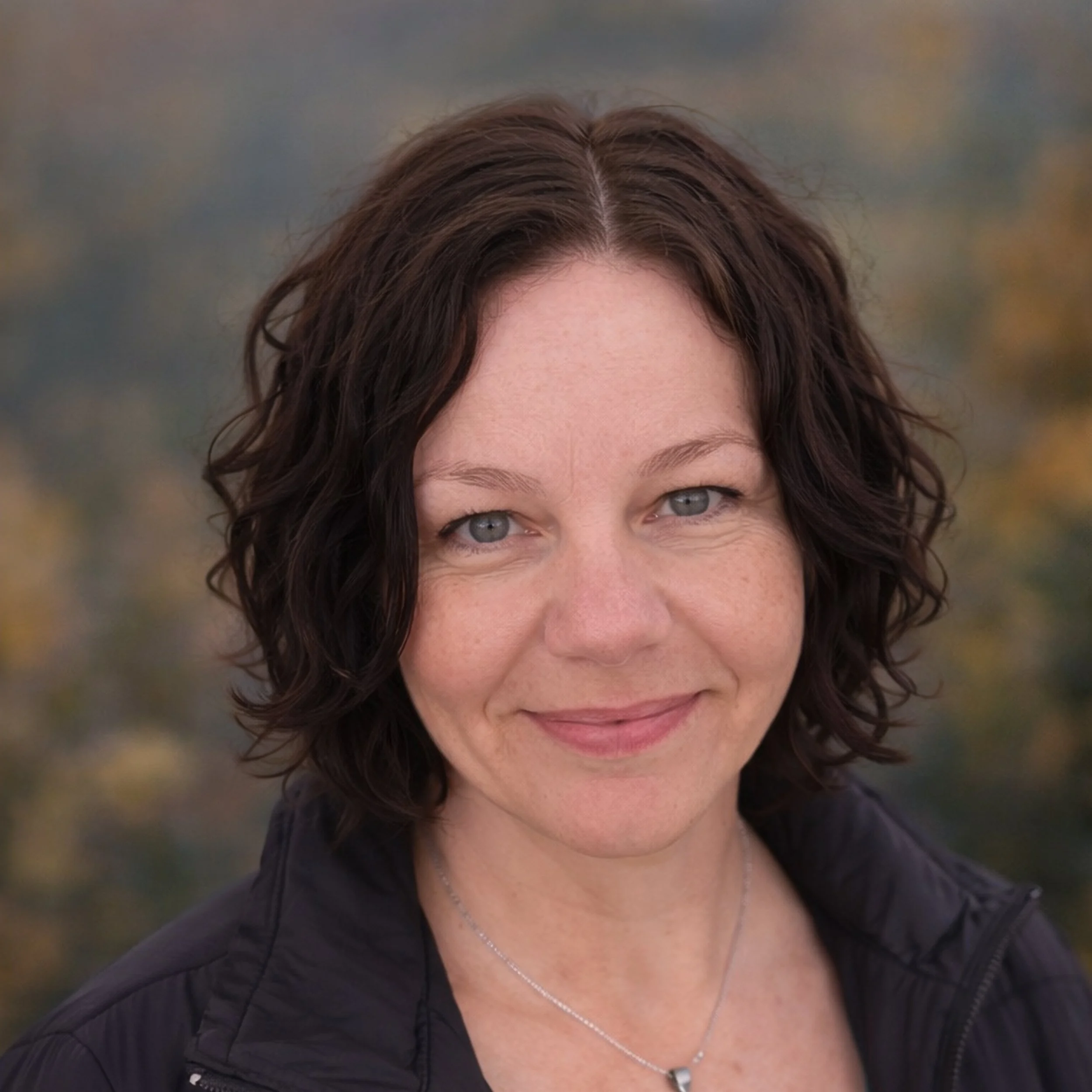
About Erin
I’m Erin, an award-winning landscape photographer from New Zealand. Most mornings you’ll find me somewhere cold, usually with a coffee in hand, waiting to see what the light does.
I run small, immersive workshops for photographers who want time to explore, experiment, and really pay attention to the landscape around them. Everything’s organised, so the focus stays on the experience and the photography.
My motto is to explore the extraordinary & expect the unexpected.